Aerolite. 165 gsm.
A 165 GSM modal-poly-elastane fabric, finished with Resil N9 silver-ion antimicrobial treatment. Engineered specifically for the climate Indian doctors actually work in.
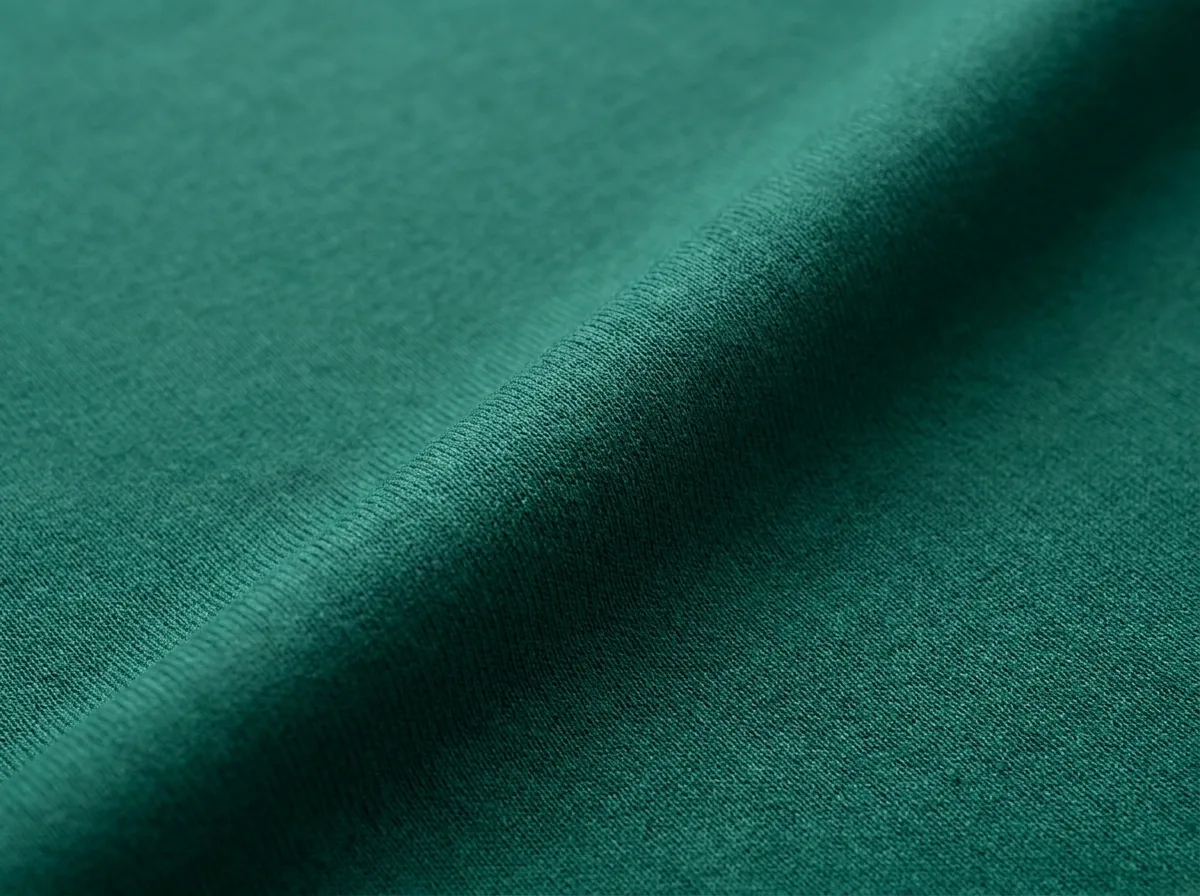
What Aerolite is, and what it isn’t.
Standard hospital scrubs in India are cut from 215 GSM TRS twill — a polyester-rayon blend developed for cool-climate workwear in the 1970s. It is durable. It is also heavy, slow to dry, and untreated. Aerolite is its replacement.
A 165 GSM circular knit, blending modal for breathability, polyester for resilience, and elastane for mechanical stretch. The composition was set after eleven trial blends were sent to a partner mill in Tirupur and worn through three Hyderabad hospitals.
Beechwood cellulose. Breathable. Soft hand. LENZING™
Recycled, fine denier. Resilience and recovery. GRS
Four-way mechanical stretch and recovery. LYCRA®
The textile is indexed to the climate it works in.
Average summer humidity in Hyderabad sits at 72 percent. In Mumbai it crosses 84. A scrub built for Boston in November will fail a doctor in Chennai in May. The problem is not unsolvable; it is unaddressed.
Aerolite was indexed against climate data for the five Indian metros where Method’s buyers practice. The 165 GSM weight, the modal share in the blend, and the open knit structure are all consequences of that data.
Resil N9. Silver-ion. Through the wash.
Aerolite is finished at the mill with Resil N9, a silver-ion antimicrobial treatment bonded to the fibre rather than coated to the surface. A bonded finish is more expensive to apply and survives further into the garment’s life. Thirty washes is the typical fall-off. Aerolite holds at fifty.
Tested by an independent NABL-accredited lab in Bangalore against five common pathogens: Staphylococcus aureus, Escherichia coli, Klebsiella pneumoniae, Pseudomonas aeruginosa, MRSA. Pass on all five at > 99.9% reduction.
Five pathogens, including MRSA, tested at NABL-accredited lab on finished garment.
Log reduction held above 2.0 through fifty standardised wash cycles. Industry baseline is thirty.
Class II under OEKO-TEX Standard 100. No restricted substances above limit values.
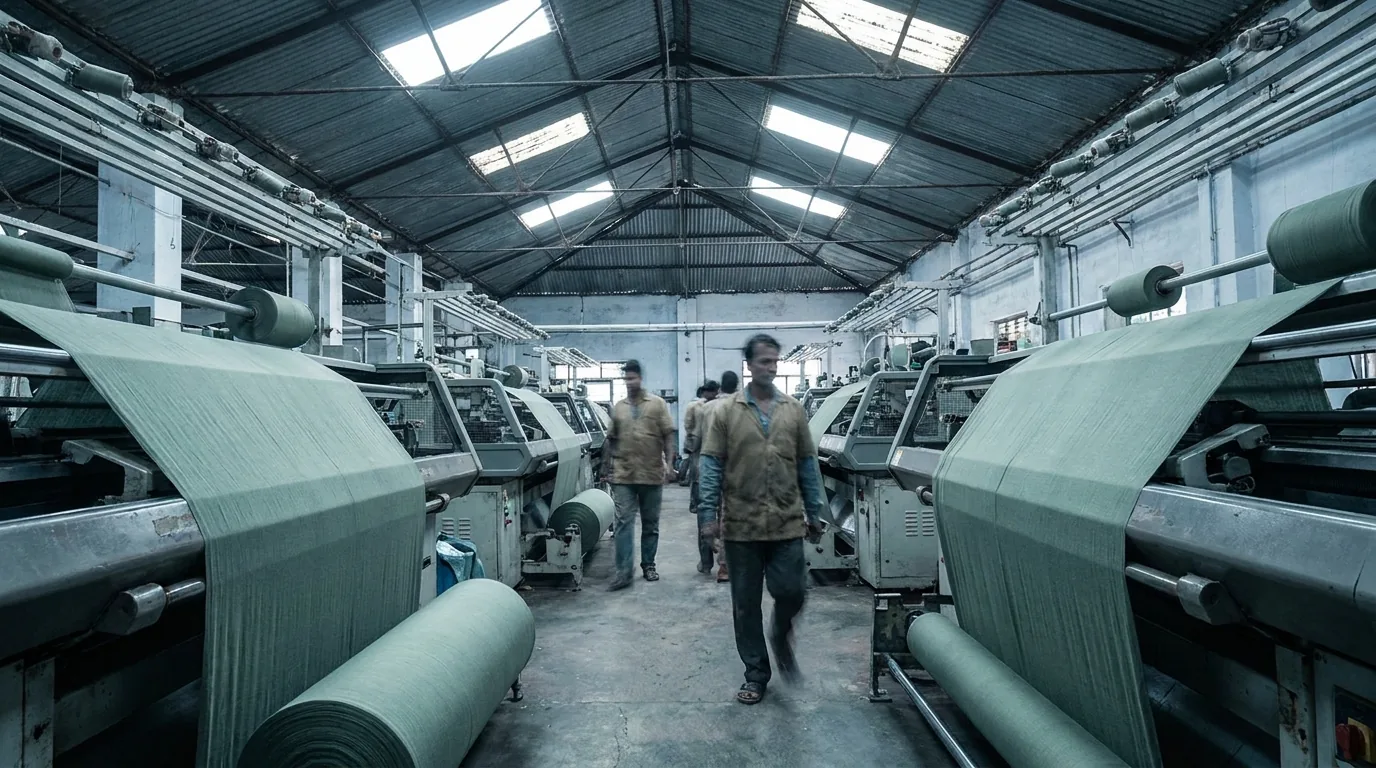
We tested it for sixty days, in three Hyderabad hospitals, before we sold a single piece. That is the bar.— The Method Trial, 2025