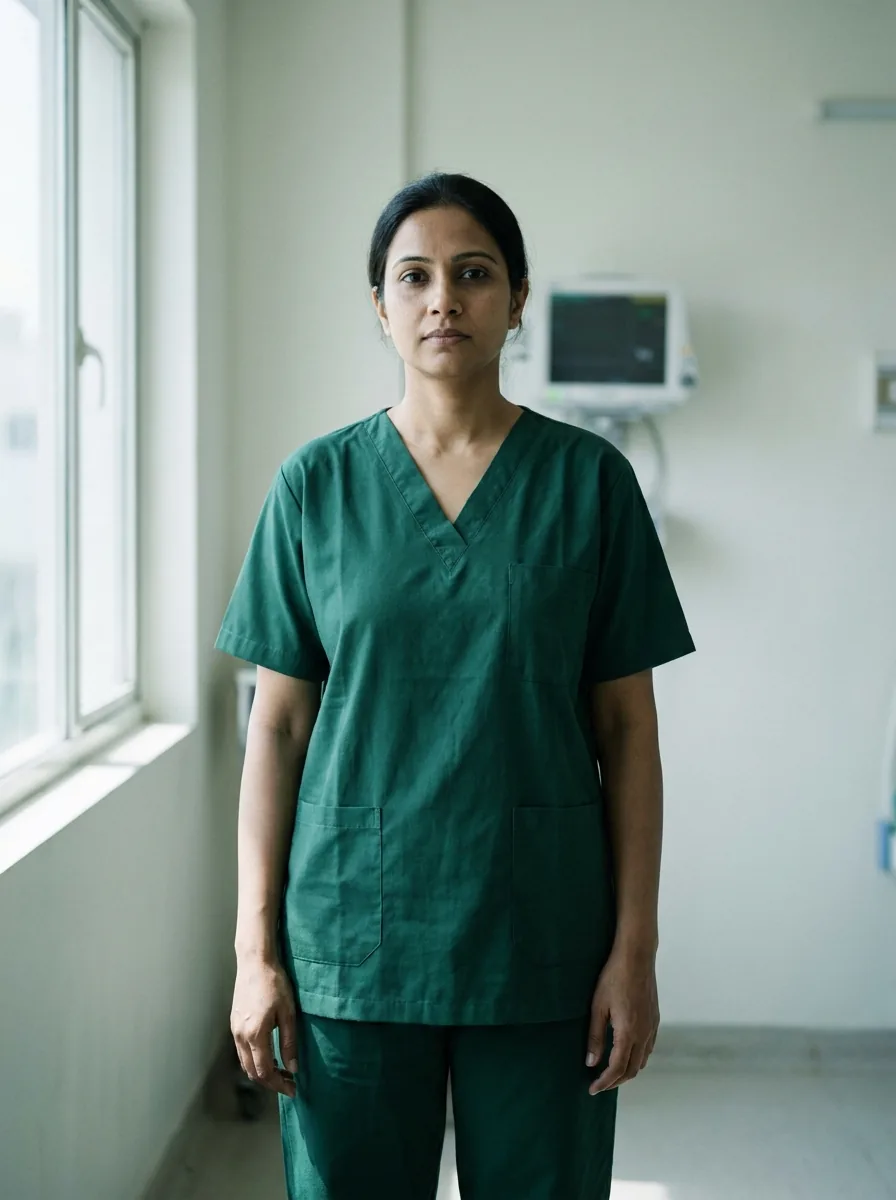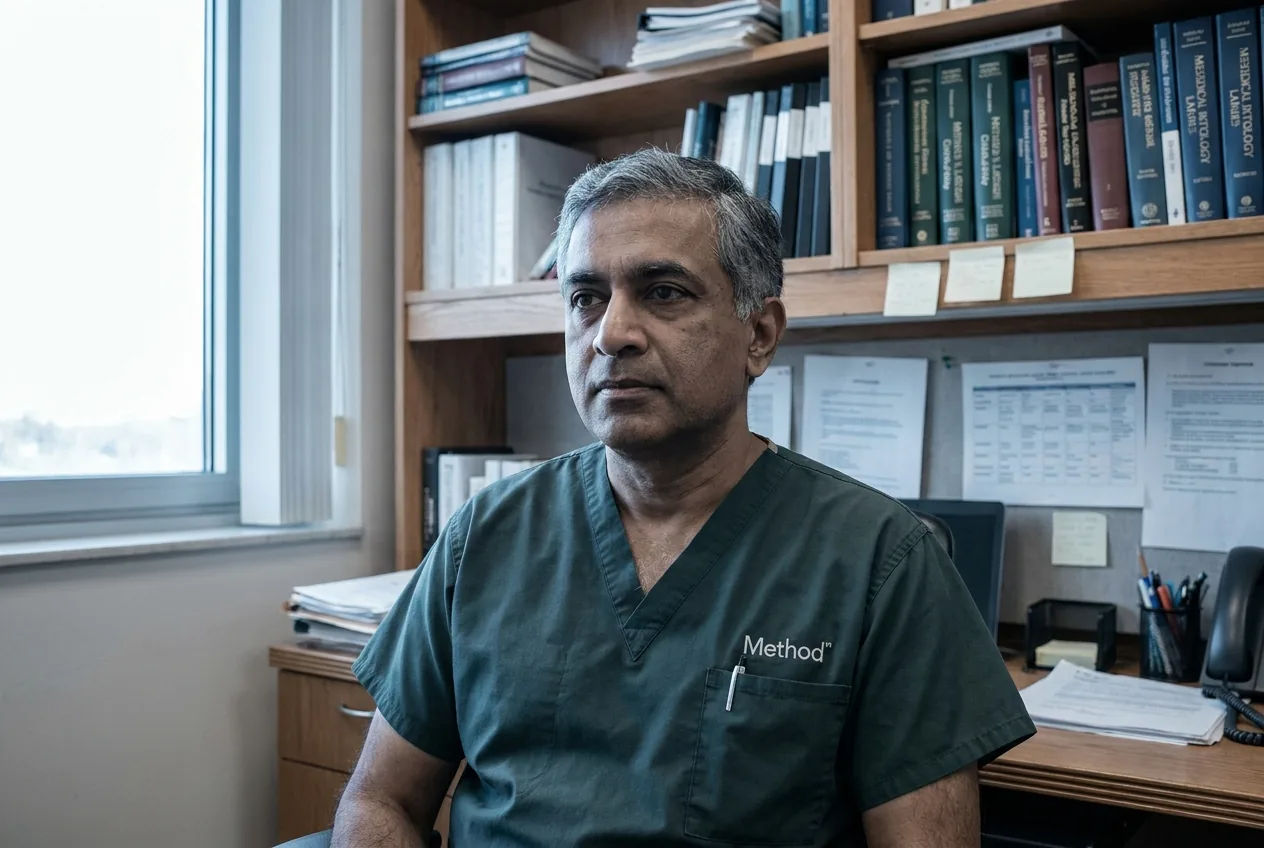
There is a corridor at NIMS that runs east of the cardiology wing, and at four in the afternoon the light falls in two thin parallels across the floor. Dr. Ramesh Iyer walks it twice every day, between OT-3 and his office, and has done so since 2007. He wears, on the day we meet him, the hospital’s third-cycle issued green scrubs. They are not his.
The scrubs are washed and reissued from a central laundry. They come back to him from a different doctor each week. The cuffs are slightly too short. The shoulder seam sits an inch outside the line of his actual shoulder. None of this is unusual. None of this is, in his words, "the point."
"The point," he says, sitting now in his office on a high-backed chair that pre-dates his consultancy, "is that for nineteen years I have done careful, exact work in a garment I had no part in choosing. I have sutured tens of thousands of vessels in something that fits me wrong. I do not think about it most days. But I do think about it."
The shape of the thing.
Iyer trained in Vellore, then in Boston, then for two years at the Royal Brompton in London. He came back in 2003 to a country that was, in his words, "ten years away from the medicine I had learned." He is not bitter about that gap. He is patient. He has spent the years since closing it, vessel by vessel.
What did not close, in those years, was the question of how the doctor was outfitted. Hospital scrubs in India are still purchased on rate-contract from the lowest bidder. They are 215 GSM TRS twill, a fabric whose specification was set in the 1970s for a different climate, and they are cut on a generic block that flatters no one in particular.
You can hold yourself to the highest possible standard inside the operating theatre, and walk out of it wearing the same garment a hundred other men have worn this month. That is a small contradiction. It is not a fatal one. But it is one.
I ask him whether it bothers him. He thinks about it for a long time, with the patience of a man who has thought about every important question in his life for a long time.
"It bothered me when I was young," he says. "Then for a long time it didn’t. Now it does again, in a different way. Not because I want better scrubs. I want the residents who come up after me to know they can want better scrubs. That the want is not vain."
What we asked, and what he said.
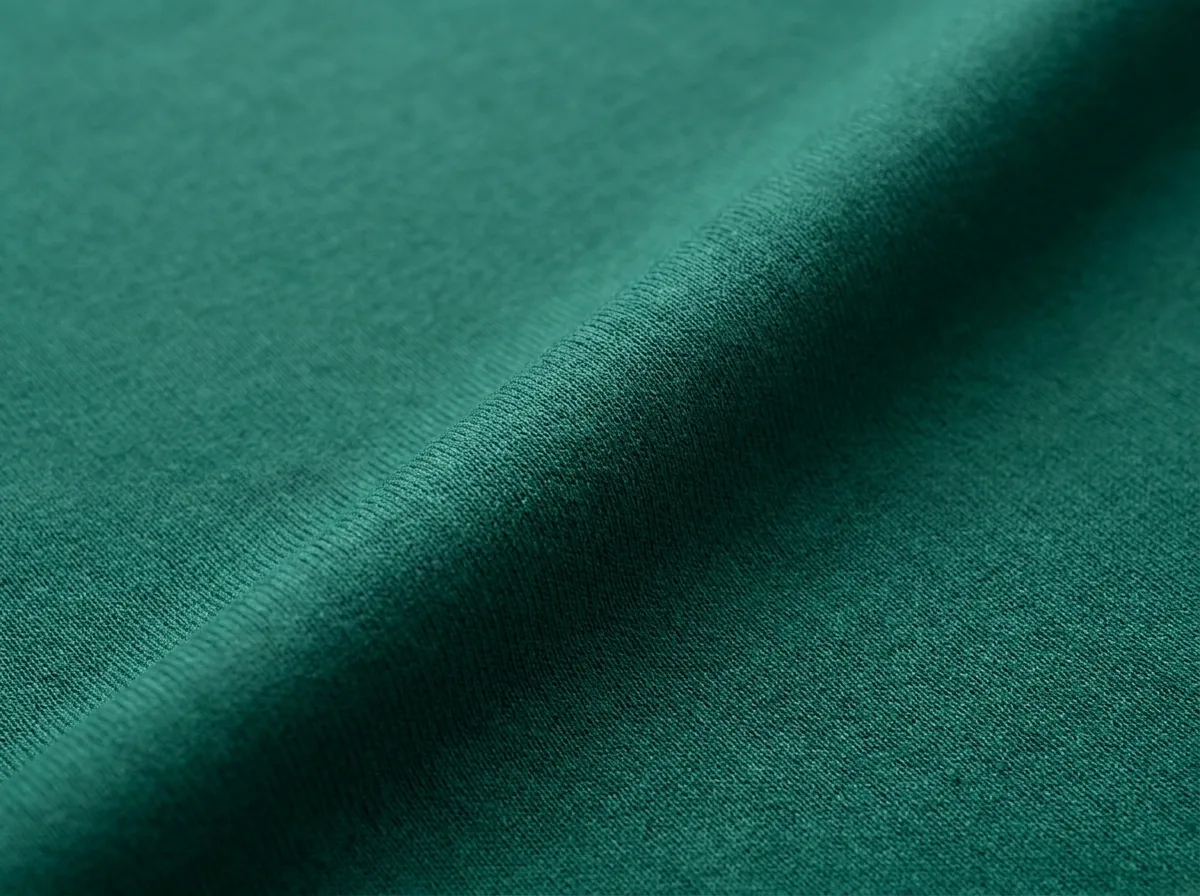
We came to NIMS with a brief and a question. The brief: a 165 GSM modal-poly-elastane fabric, cut to Indian patterns, finished antimicrobially, in a four-colour palette. The question: would he wear it for sixty days, and tell us what we got wrong.
He wore it for sixty days. He told us what we got wrong.
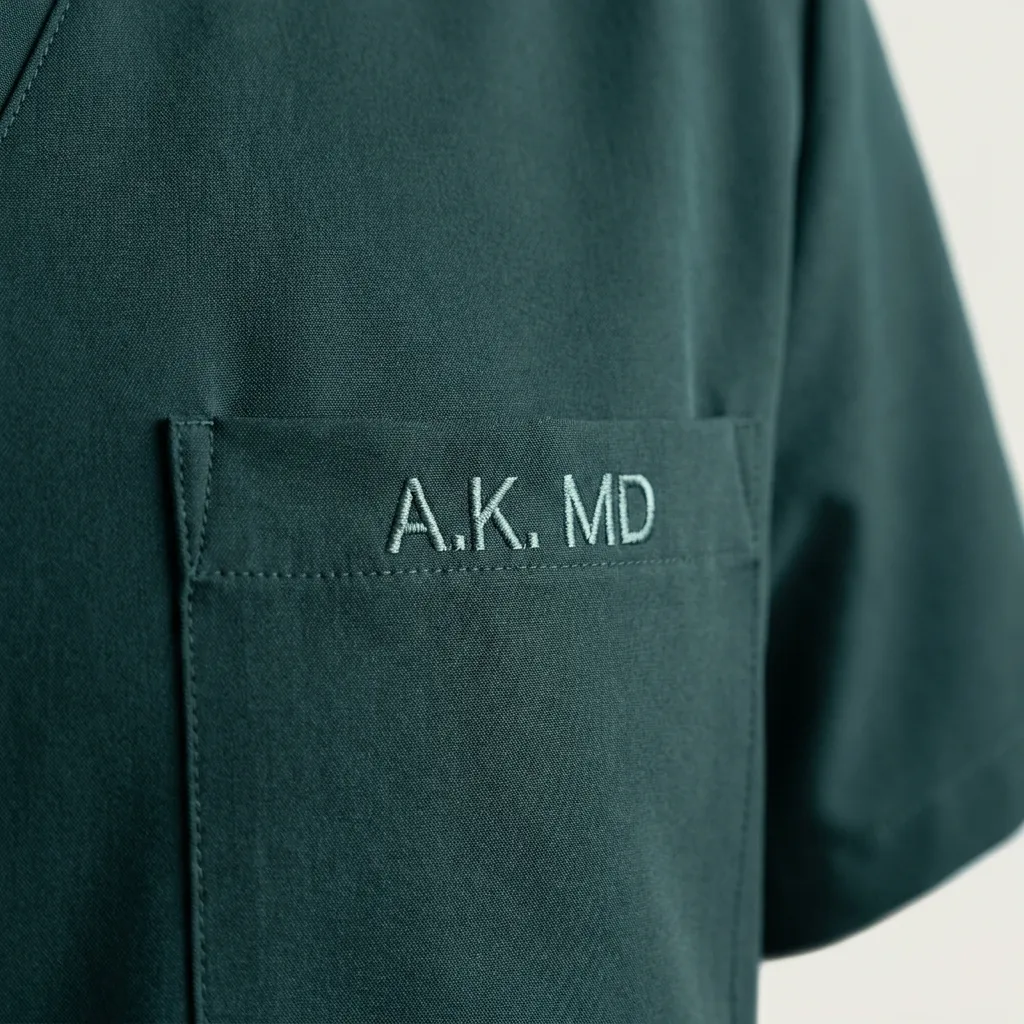
The hem was a centimetre too long. The chest pocket sat half a centimetre too high for a man who reaches for a pen forty times a day. The stretch was, on the first prototype, generous in the wrong direction; the recovery was sluggish at the elbow. He returned the prototype to us with a note in his own handwriting, written in the margin of a printed page, in fountain pen ink. We have it framed.
The note read: "The garment is honest. It needs three things. They are listed. The fourth thing is not the garment’s problem, it is the profession’s. We will get to it later."
The fourth thing.
I asked him, as we were finishing, what the fourth thing was. He smiled, which is rare, and said: "The way we let young doctors believe that wanting to be considered in what they wear is somehow opposed to seriousness. That is the fourth thing. It is not the garment’s job to fix it. But the garment can be the start of fixing it."
He stood up to walk us to the corridor. The light was still falling in those two thin parallels. He wore his old scrubs. The Method top was hanging, ironed, on the back of his door for the next morning.
"Tomorrow," he said.